


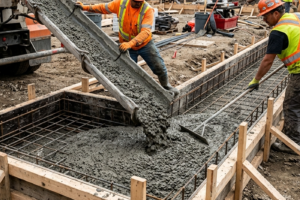



Whether you are breaking ground on a major commercial build, constructing a new road sub-base, or simply laying a patio in the garden, aggregates are the unsung structural heroes of your project.
You rarely see aggregates once a job is finished, but choosing the wrong grade or sand type can lead to sinking driveways, cracking concrete, or waterlogged bases.
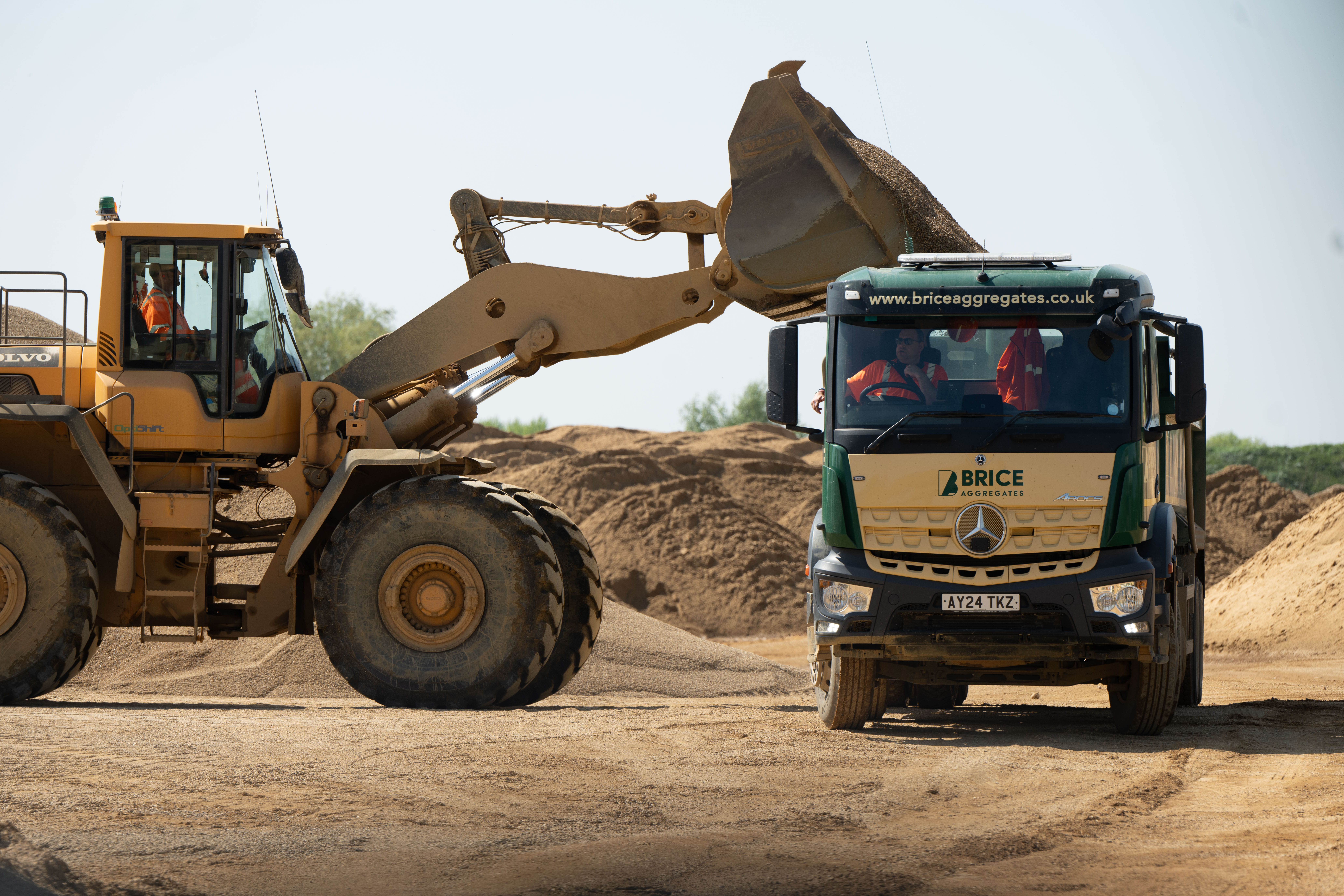
At Brice Aggregates, operating out of Colemans Quarry in Witham, Essex, and Needingworth Quarry, Cambridgeshire, we supply a wide spectrum of quarried sands, gravels, crushed rock, and recycled aggregates. To help you select the exact material for your next application, here is our definitive breakdown of common aggregate types, their characteristics, and how to use them.
What Are Aggregates?
In civil engineering and construction, the term aggregates refers to granular, hard mineral materials, such as sand, gravel, crushed stone, or recycled concrete. They are used either on their own (as a free-draining or load-bearing base) or bound together with cement, lime, or bitumen to make concrete, mortar, and asphalt.
Aggregates fall into three primary categories:
- Primary Aggregates: Natural sand, gravel, and stone extracted directly from quarries.
- Recycled Aggregates: Reprocessed construction waste like crushed concrete and brick.
- Manufactured / Secondary Aggregates: Industrial by-products prepared for specialist construction.
1. Sands (Fine Aggregates)
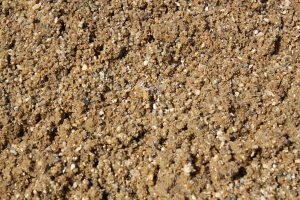
Not all sands are created equal. The size and shape of the individual grains determine how the sand behaves when mixed with binders or laid as a bedding layer.
| Sand Type | Characteristics | Key Applications |
| Building Sand (Soft Sand) | Fine, smooth, rounded grains. Highly pliable when wet. | • Bricklaying and blockwork mortar • External wall rendering • Internal plastering mixes |
| Sharp Sand (Coarse Sand) | Gritty texture with larger, sharp-edged angular grains. | • Bedding layer under paving slabs and block paving • Floor screed mixes • Soil conditioning and lawn top-dressing |
| Washed / Cable Sand | Cleaned of silts and impurities to ensure low electrical conductivity and high purity. | • Cable laying and utility trench backfilling • Fine concrete production • Pipe bedding |
2. Coarse Aggregates & Gravels
Coarse aggregates provide bulk volume, structural strength, and essential drainage properties.
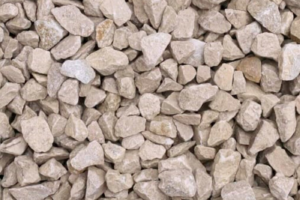
- Sized Gravels (e.g., 10mm & 20mm Shingle): Naturally rounded or crushed stones washed and graded by size.
- Best for: 10mm is ideal for pipe bedding and fine drainage, while 20mm is the industry standard for driveways, footpaths, decorative landscaping, and standard concrete mixes.
- Ballast: A ready-blended mixture of sharp sand and coarse aggregate (usually 10mm or 20mm stone).
- Best for: Mixing on-site with cement and water to produce high-strength structural concrete for shed bases, foundations, fence posts, and footings.
3. Sub-Bases & Crushed Aggregate
Sub-base aggregates are designed to distribute heavy loads across a wider area, preventing movement in the surface layers above.
┌─────────────────────────────────────────────────────────┐
│              SURFACE LAYER (Block Paving / Asphalt)    │
├─────────────────────────────────────────────────────────┤
│              BEDDING LAYER (Sharp Sand)                 │
├─────────────────────────────────────────────────────────┤
│  SUB-BASE LAYER (MOT Type 1 / Type 3 - Load Bearing)    │
├─────────────────────────────────────────────────────────┤
│                   COMPACTED SUBGRADE                    │
└─────────────────────────────────────────────────────────┘
MOT Type 1 (Granular Sub-Base)
- Composition: Crushed stone or concrete ranging in size from 40mm chunks down to fine dust.
- Function: When compacted with a vibrating roller or wacker plate, the interlocking angular stones and fine dust lock together to form a rock-solid, load-bearing surface.
- Best for: Heavy-duty sub-bases under highways, carparks, residential driveways, and heavy patios.
MOT Type 3 (Permeable Sub-Base)
- Composition: Crushed stone screened to remove the fine dust particles.
- Function: Maintains void space between stones to allow water to drain freely straight through the layer.
- Best for: Sustainable Drainage Systems (SuDS), permeable paving, artificial grass installations, and sports pitches.
4. Recycled Aggregates: The Sustainable Choice
For eco-conscious projects or cost-effective bulk filling, recycled aggregates offer structural integrity while keeping construction waste out of landfill sites.
- Crushed Concrete (6F2 / 6F5): Coarse, crushed demolition concrete and brick. Perfect for unclassed bulk fill, capping layers, haul roads, and initial site preparation.
- Recycled Type 1: Crushed and screened recycled concrete engineered to match the performance of primary Type 1 stone. An economical and sustainable sub-base choice.
Quick Reference: Matching Project to Aggregate
| Project | Recommended Aggregate | Reason |
| Mixing Concrete Footings | Ballast | Pre-mixed sand and stone blend; just add cement and water. |
| Bricklaying & Rendering | Building Sand | Smooth particles produce workable, cohesive mortar. |
| Laying Patio Slabs | Sharp Sand + MOT Type 1 | Type 1 provides a firm sub-base; sharp sand creates a stable bedding layer. |
| Driveway Base | MOT Type 1 | Compacts to withstand heavy vehicle axle loads without shifting. |
| Permeable Drainage Driveway | MOT Type 3 | Zero fine dust allows rapid water infiltration. |
Get the Right Aggregate Delivered with Brice Aggregates
Whether you need a single bulk bag for a landscaping project or loose tipper lorry loads for a major civil build, Brice Aggregates delivers high-grade primary and recycled materials across East Anglia.