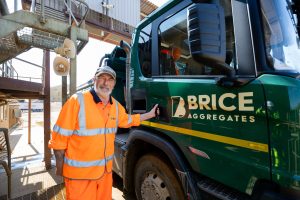
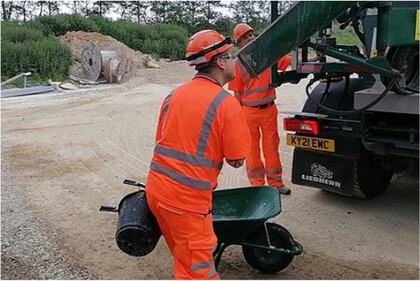
Brice Aggregates is proud to announce that we have become a Corporate Sponsor of Havens Hospices, supporting the charity’s vital work across Essex.
Havens Hospices provides specialist care and support to children, young people and adults living with life-limiting or incurable conditions, as well as providing invaluable support to their families. Through its hospice services, Havens Hospices helps people make the most of the time they have together, offering care, comfort and practical and emotional support when it is needed most.
For Brice Aggregates, becoming a Corporate Sponsor is an opportunity to support a charity that makes a genuine difference to families across our local community.
Supporting our local community
As an independent business operating across Essex and the surrounding areas, being part of the communities we serve is important to us. Our work takes us to sites and businesses across the region every day, and we believe that supporting local organisations is an important part of being a responsible business.
Our partnership with Havens Hospices will help us contribute to the charity’s ongoing work while also giving our team opportunities to get involved in fundraising, events and other activities throughout the year.
The work Havens does for individuals and families across Essex is incredibly important, and we are proud to be able to play a small part in supporting that. We are looking forward to building the partnership and getting our team involved.
More than just a sponsorship
For us, this partnership is about more than simply putting our name behind a charity. We want to build a relationship with Havens Hospices and find meaningful ways for our team to support its work.
From attending fundraising and networking events to helping raise awareness and getting involved in fundraising initiatives, we look forward to making the most of the opportunities that come with our Corporate Sponsorship.
We recently met with the Havens Hospices team to learn more about their work and the difference they make to families throughout Essex. It was a great opportunity to understand more how Brice Aggregates can support its projects in the months ahead.
Looking ahead
We are proud to begin this partnership and look forward to supporting Havens Hospices throughout the year!
As Brice Aggregates continues to grow, we remain committed to supporting the communities around our sites and the people who make them what they are.
We look forward to sharing more about our partnership, fundraising activities and the work of Havens Hospices as the year progresses.
To find out more about Havens Hospices and the work they do across Essex, visit their website, here.
When people think about quarrying, the first thing that often comes to mind is extraction: sand, gravel and other materials being removed from the ground to support construction and infrastructure projects.
But quarrying is not simply about what happens while a site is being worked. Modern quarrying involves careful planning from the outset, including how land will be managed, restored and ultimately used once extraction has finished.
At Brice Aggregates, we see restoration as an important part of the quarrying process. With the right approach, former extraction sites can become valuable habitats, wetlands, agricultural land and spaces for nature to thrive for generations to come.
Planning for restoration from the start
Restoration should not be something considered only when extraction comes to an end. Quarry restoration is planned alongside the development and operation of a site, allowing land, materials and surrounding habitats to be managed with its eventual after-use in mind.
This can involve carefully shaping landforms, retaining suitable soils and materials, creating water features and establishing planting schemes that support the intended future use of the site.
By planning ahead, quarry operators can help ensure that restoration is integrated into the life of the quarry rather than treated as an afterthought.
Creating new habitats
One of the most significant environmental opportunities associated with quarry restoration is habitat creation.
Quarrying can temporarily change the landscape, but the restored site can provide opportunities for habitats that may be limited elsewhere in the surrounding area.
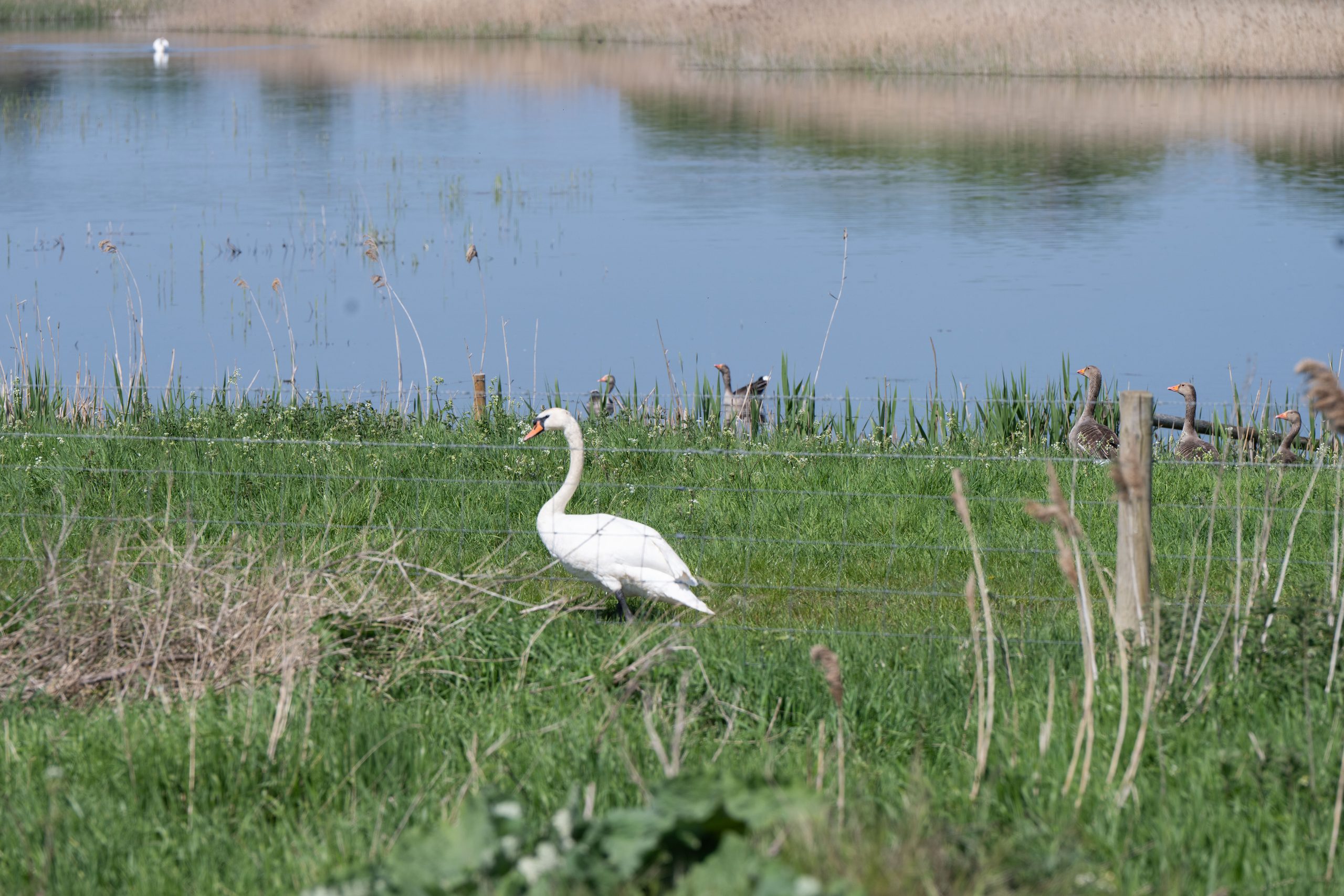
Former mineral workings can be transformed into wetlands, grasslands, reedbeds, woodland and other habitats. These areas can provide food, shelter and breeding grounds for a wide range of species.
Wetland restoration is particularly valuable. Ponds, lakes, reedbeds and shallow water areas can support birds, amphibians, insects and aquatic species, while also creating important feeding and nesting areas.
Supporting biodiversity
Restored quarries can become important locations for biodiversity because they can provide a mixture of habitats within a relatively small area.
Different depths of water, vegetation, open ground and planted areas can create a varied landscape that supports different species throughout the year.
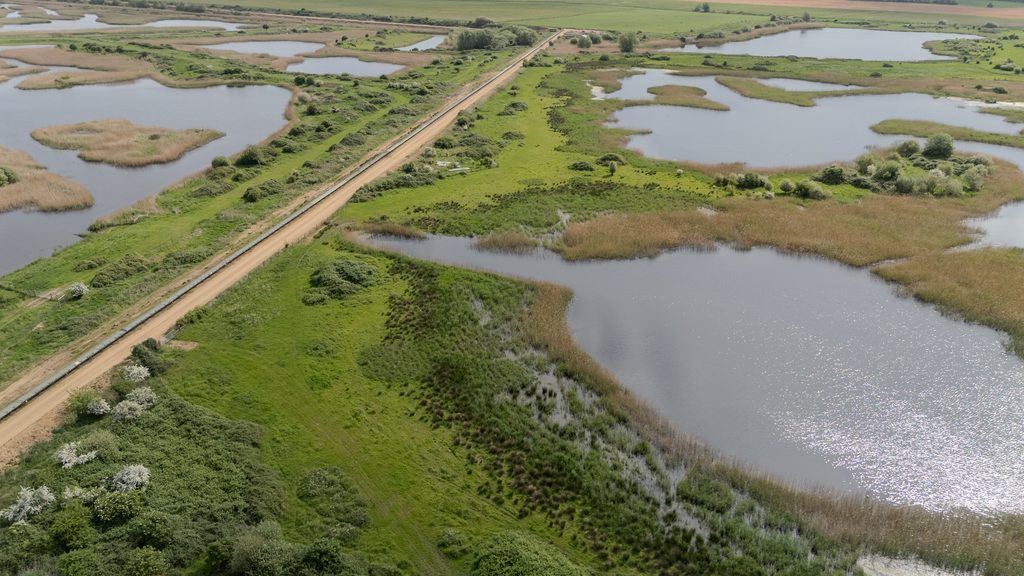
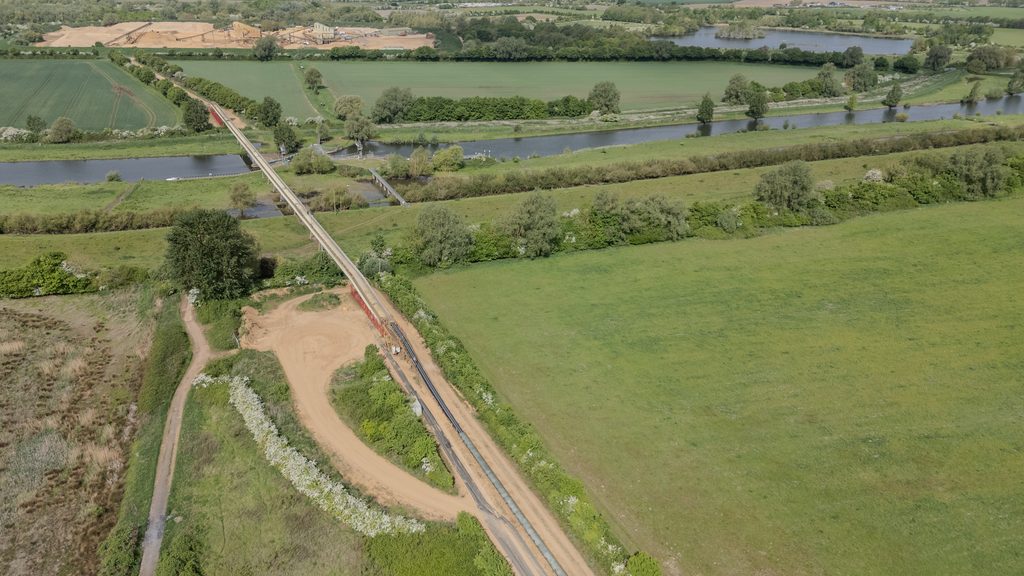
At Ouse Fen in Cambridgeshire, for example, mineral extraction is forming part of a much larger programme of landscape and habitat creation. The project will ultimately cover around 700 hectares, with extensive areas of wetland and reedbed habitat planned.
The site demonstrates how land used for mineral extraction can form part of a long-term vision for nature conservation and habitat creation.
Water and wetland restoration
Water management is another important part of quarry restoration.
Where extraction takes place below the water table, former quarry workings can be restored as lakes and wetland habitats. With careful design, these areas can provide valuable environments for wildlife while contributing to the wider landscape.
Wetlands can also provide wider environmental benefits, including opportunities for water storage and natural processes that help support healthy ecosystems.
At Ouse Fen, the development of extensive wetland habitat is helping to create a landscape designed specifically to support species associated with reedbeds and wetland environments.
A home for important species
Restored quarry landscapes can support species that rely on particular habitats that are not always readily available elsewhere.
Ouse Fen is already recognised for species including bittern, marsh harrier and bearded tit. The creation and expansion of suitable reedbed habitat is helping to provide the conditions these species need.
The project is also part of a wider effort to create a significant wetland landscape in the Cambridgeshire Fens.
This is a good example of why restoration plans need to look beyond the immediate quarry boundary. The most valuable environmental outcomes can come from connecting habitats and creating larger, functioning landscapes rather than isolated areas of planting.
More than just planting trees
Quarry restoration is sometimes associated with planting trees, but successful restoration can involve much more than this.
The right after-use depends on the location, geology, surrounding landscape and ecological opportunities of each site.
For one quarry, the most appropriate restoration might involve agriculture. For another, it could be woodland, grassland, recreational space or wetland habitat.
There is no single restoration model that works everywhere. The objective is to create an appropriate long-term use for the land based on its individual characteristics.
default
Working with local partners
Long-term restoration can involve a range of organisations and specialists, from landowners and local authorities to environmental organisations and conservation groups.
At Ouse Fen, for example, the wider project involves collaboration between organisations including the RSPB, Cambridgeshire County Council and quarry operators.
Partnership working allows restoration plans to consider both the technical requirements of quarrying and the wider environmental objectives for the landscape.
Leaving a lasting legacy
The materials produced by quarries play an important role in the buildings, roads, homes and infrastructure that communities rely on. But the story of a quarry does not have to end when extraction finishes.
With careful planning and responsible land management, a former quarry can become something very different from the site it once was.
It could become a wetland supporting wildlife, a new agricultural landscape, an area of woodland or a space that provides benefits for both people and nature.
That is the long-term opportunity of quarry restoration: taking land that has played an important role in supplying essential materials and creating a new purpose for it for years to come.
At Brice Aggregates, responsible quarrying means looking beyond extraction and considering the wider future of the land. From the first stages of planning through to restoration, every quarry has the potential to leave a lasting legacy.
Whether you are breaking ground on a major commercial build, constructing a new road sub-base, or simply laying a patio in the garden, aggregates are the unsung structural heroes of your project.
You rarely see aggregates once a job is finished, but choosing the wrong grade or sand type can lead to sinking driveways, cracking concrete, or waterlogged bases.
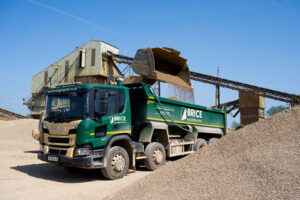
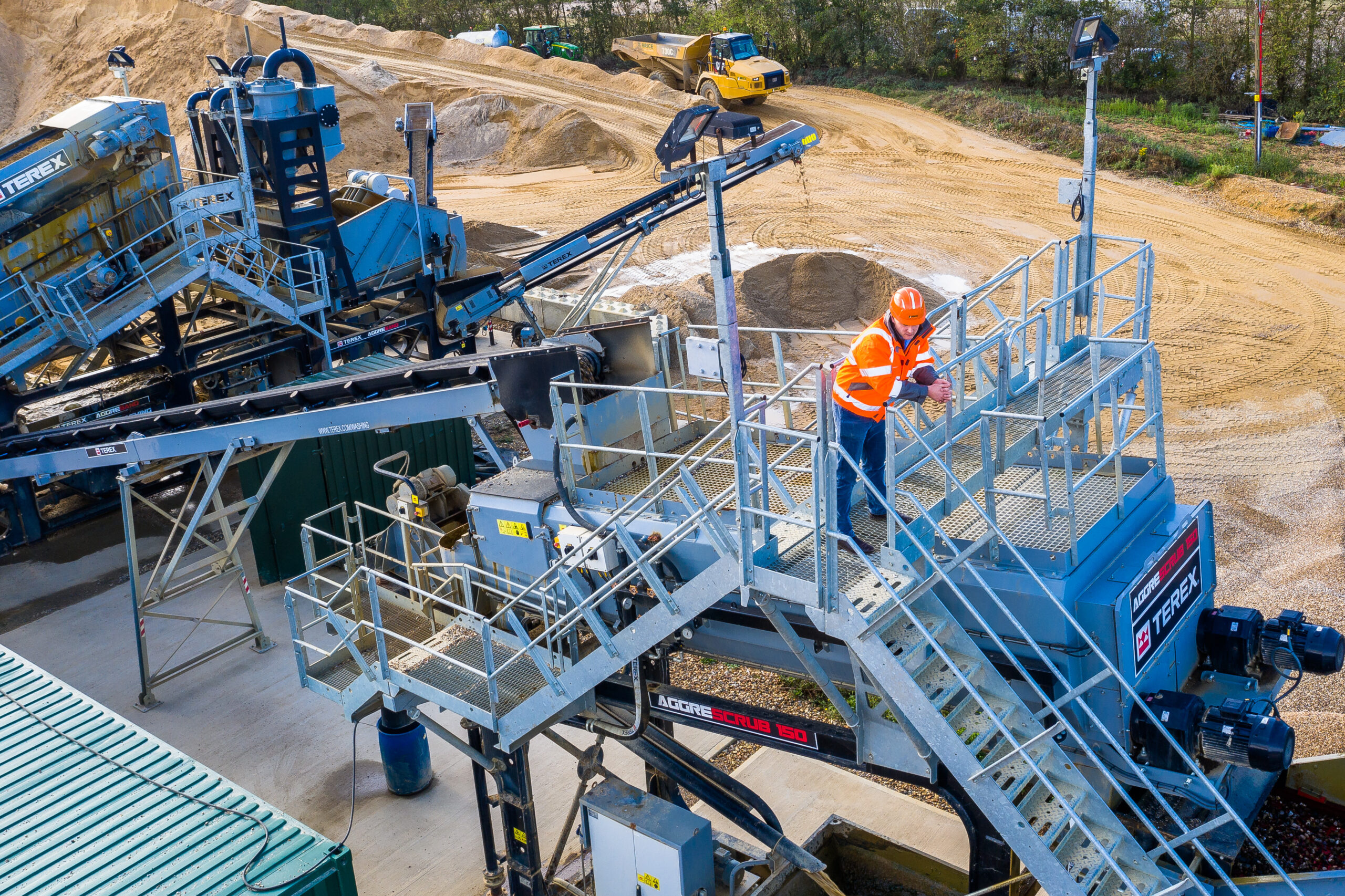
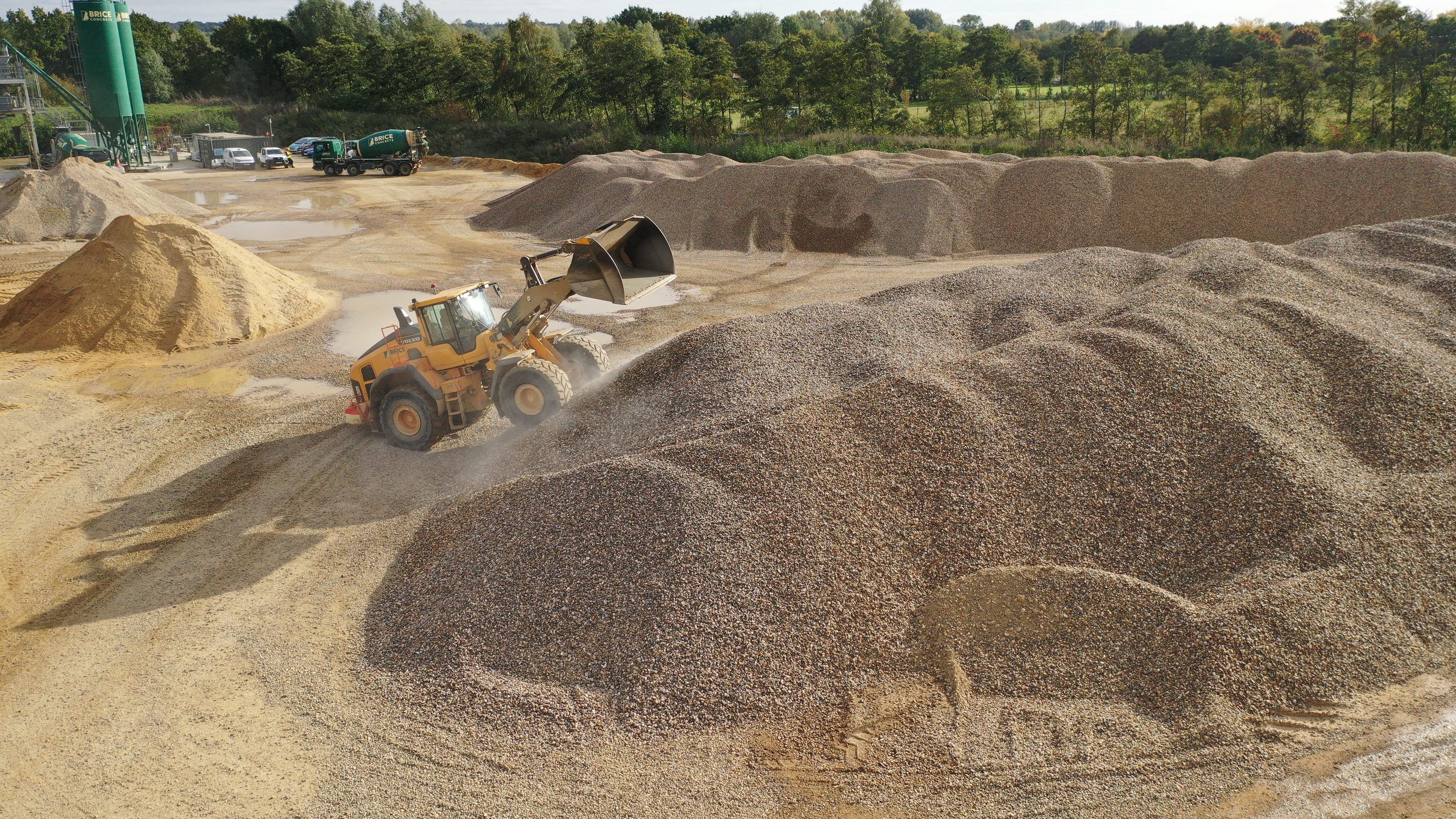
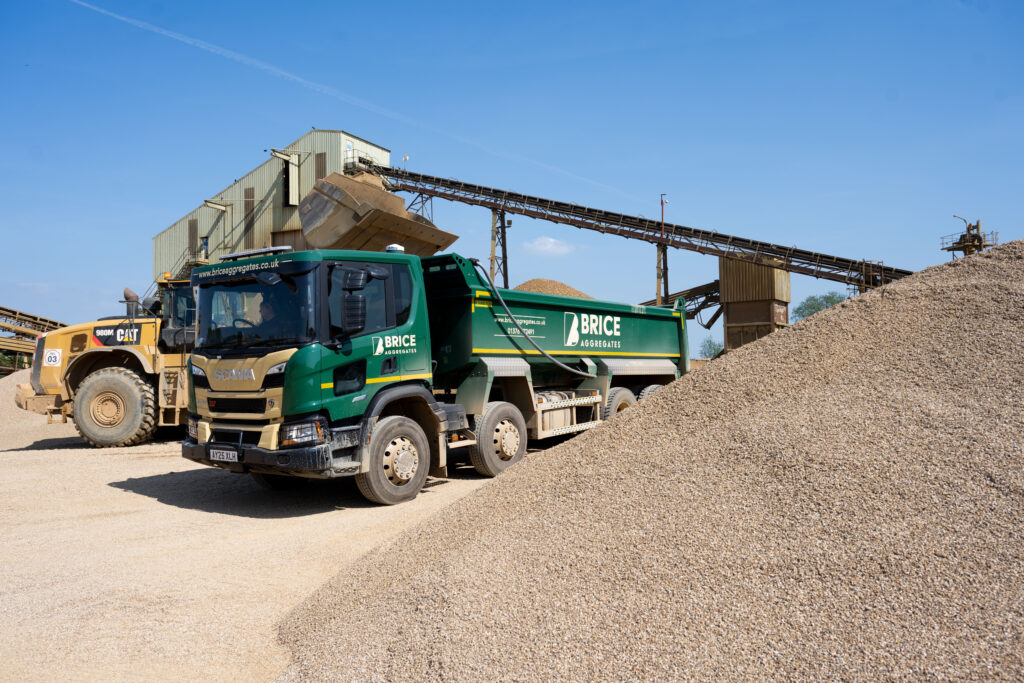
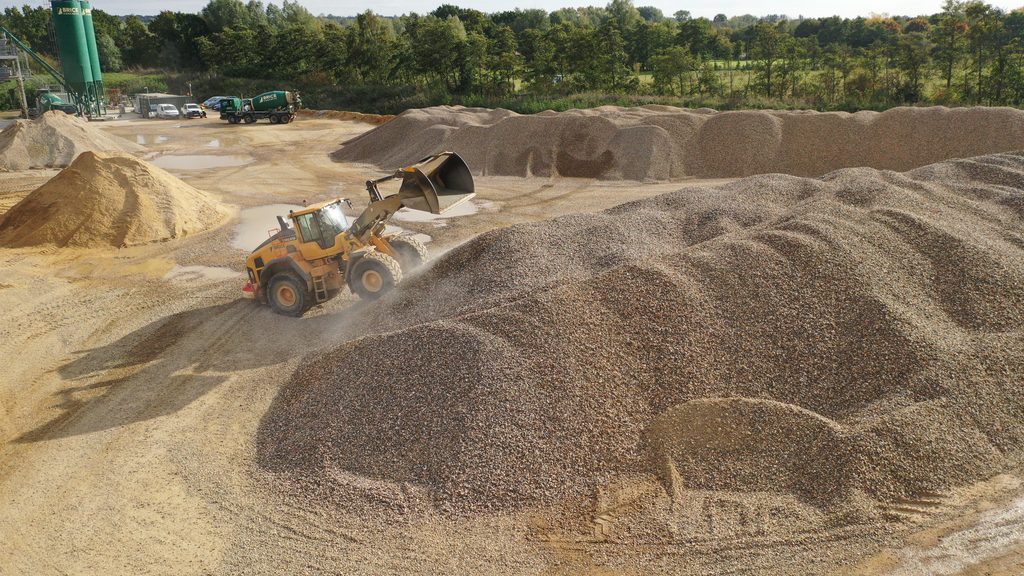
At Brice Aggregates, operating out of Colemans Quarry in Witham, Essex, and Needingworth Quarry, Cambridgeshire, we supply a wide spectrum of quarried sands, gravels, crushed rock, and recycled aggregates. To help you select the exact material for your next application, here is our definitive breakdown of common aggregate types, their characteristics, and how to use them.
What Are Aggregates?
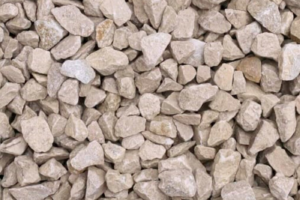
In civil engineering and construction, the term aggregates refers to granular, hard mineral materials, such as sand, gravel, crushed stone, or recycled concrete. They are used either on their own (as a free-draining or load-bearing base) or bound together with cement, lime, or bitumen to make concrete, mortar, and asphalt.
Aggregates fall into three primary categories:
Primary Aggregates: Natural sand, gravel, and stone extracted directly from quarries.
Recycled Aggregates: Reprocessed construction waste like crushed concrete and brick.
Manufactured / Secondary Aggregates: Industrial by-products prepared for specialist construction.
1. Sands (Fine Aggregates)
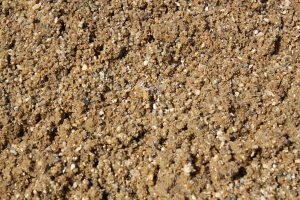
Not all sands are created equal. The size and shape of the individual grains determine how the sand behaves when mixed with binders or laid as a bedding layer.
Sand Type
Characteristics
Key Applications
Building Sand (Soft Sand)
Fine, smooth, rounded grains. Highly pliable when wet.
Gritty texture with larger, sharp-edged angular grains.
• Bedding layer under paving slabs and block paving • Floor screed mixes • Soil conditioning and lawn top-dressing
Washed / Cable Sand
Cleaned of silts and impurities to ensure low electrical conductivity and high purity.
• Cable laying and utility trench backfilling • Fine concrete production • Pipe bedding
2. Coarse Aggregates & Gravels
Coarse aggregates provide bulk volume, structural strength, and essential drainage properties.
Sized Gravels (e.g., 10mm & 20mm Shingle): Naturally rounded or crushed stones washed and graded by size.
Best for: 10mm is ideal for pipe bedding and fine drainage, while 20mm is the industry standard for driveways, footpaths, decorative landscaping, and standard concrete mixes.
Ballast: A ready-blended mixture of sharp sand and coarse aggregate (usually 10mm or 20mm stone).
Best for: Mixing on-site with cement and water to produce high-strength structural concrete for shed bases, foundations, fence posts, and footings.
3. Sub-Bases & Crushed Aggregate
Sub-base aggregates are designed to distribute heavy loads across a wider area, preventing movement in the surface layers above.
Composition: Crushed stone or concrete ranging in size from 40mm chunks down to fine dust.
Function: When compacted with a vibrating roller or wacker plate, the interlocking angular stones and fine dust lock together to form a rock-solid, load-bearing surface.
Best for: Heavy-duty sub-bases under highways, carparks, residential driveways, and heavy patios.
MOT Type 3 (Permeable Sub-Base)
Composition: Crushed stone screened to remove the fine dust particles.
Function: Maintains void space between stones to allow water to drain freely straight through the layer.
Best for: Sustainable Drainage Systems (SuDS), permeable paving, artificial grass installations, and sports pitches.
4. Recycled Aggregates: The Sustainable Choice
For eco-conscious projects or cost-effective bulk filling, recycled aggregates offer structural integrity while keeping construction waste out of landfill sites.
Crushed Concrete (6F2 / 6F5): Coarse, crushed demolition concrete and brick. Perfect for unclassed bulk fill, capping layers, haul roads, and initial site preparation.
Recycled Type 1: Crushed and screened recycled concrete engineered to match the performance of primary Type 1 stone. An economical and sustainable sub-base choice.
Quick Reference: Matching Project to Aggregate
Project
Recommended Aggregate
Reason
Mixing Concrete Footings
Ballast
Pre-mixed sand and stone blend; just add cement and water.
Bricklaying & Rendering
Building Sand
Smooth particles produce workable, cohesive mortar.
Laying Patio Slabs
Sharp Sand + MOT Type 1
Type 1 provides a firm sub-base; sharp sand creates a stable bedding layer.
Driveway Base
MOT Type 1
Compacts to withstand heavy vehicle axle loads without shifting.
Permeable Drainage Driveway
MOT Type 3
Zero fine dust allows rapid water infiltration.
Get the Right Aggregate Delivered with Brice Aggregates
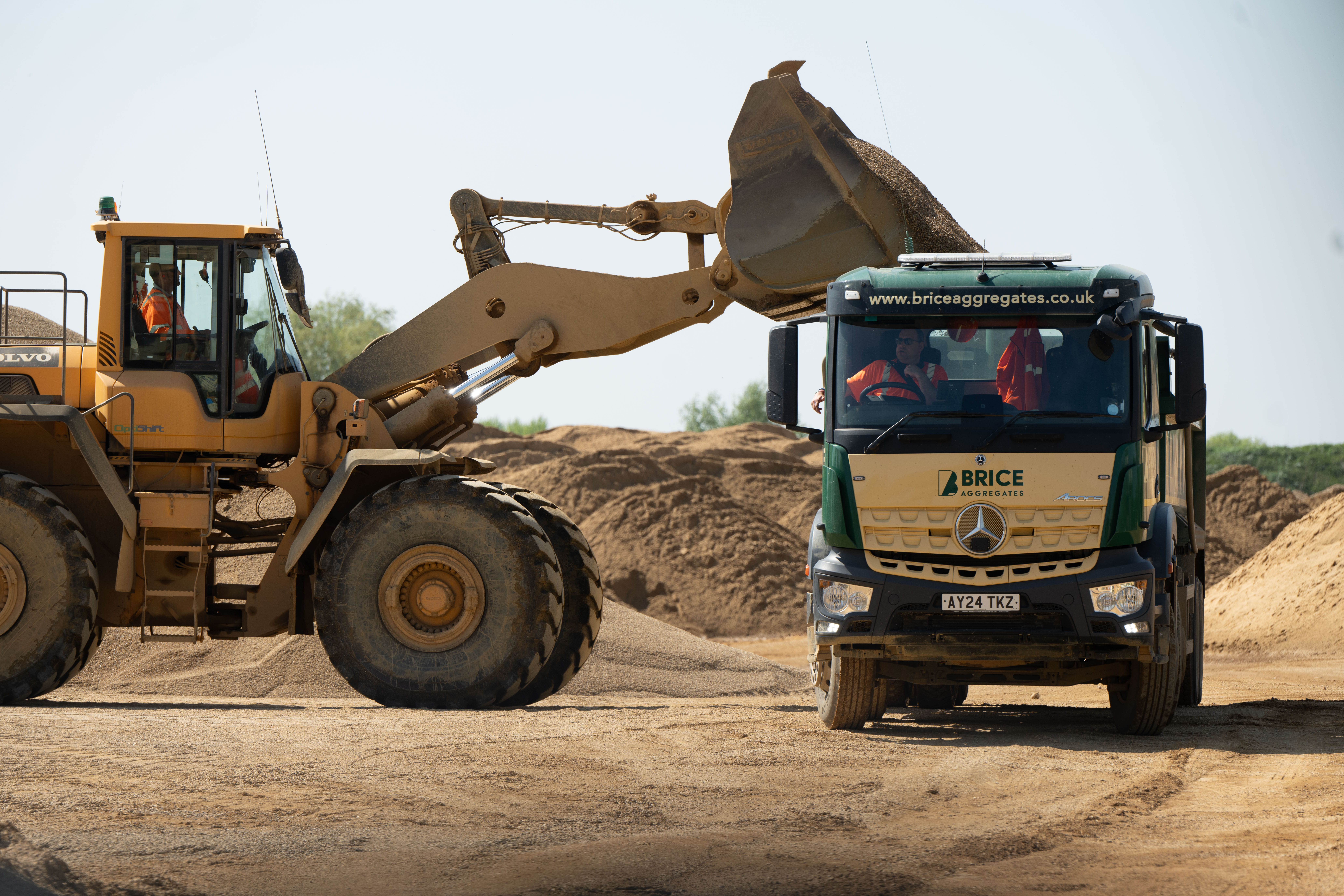
Whether you need a single bulk bag for a landscaping project or loose tipper lorry loads for a major civil build, Brice Aggregates delivers high-grade primary and recycled materials across East Anglia.
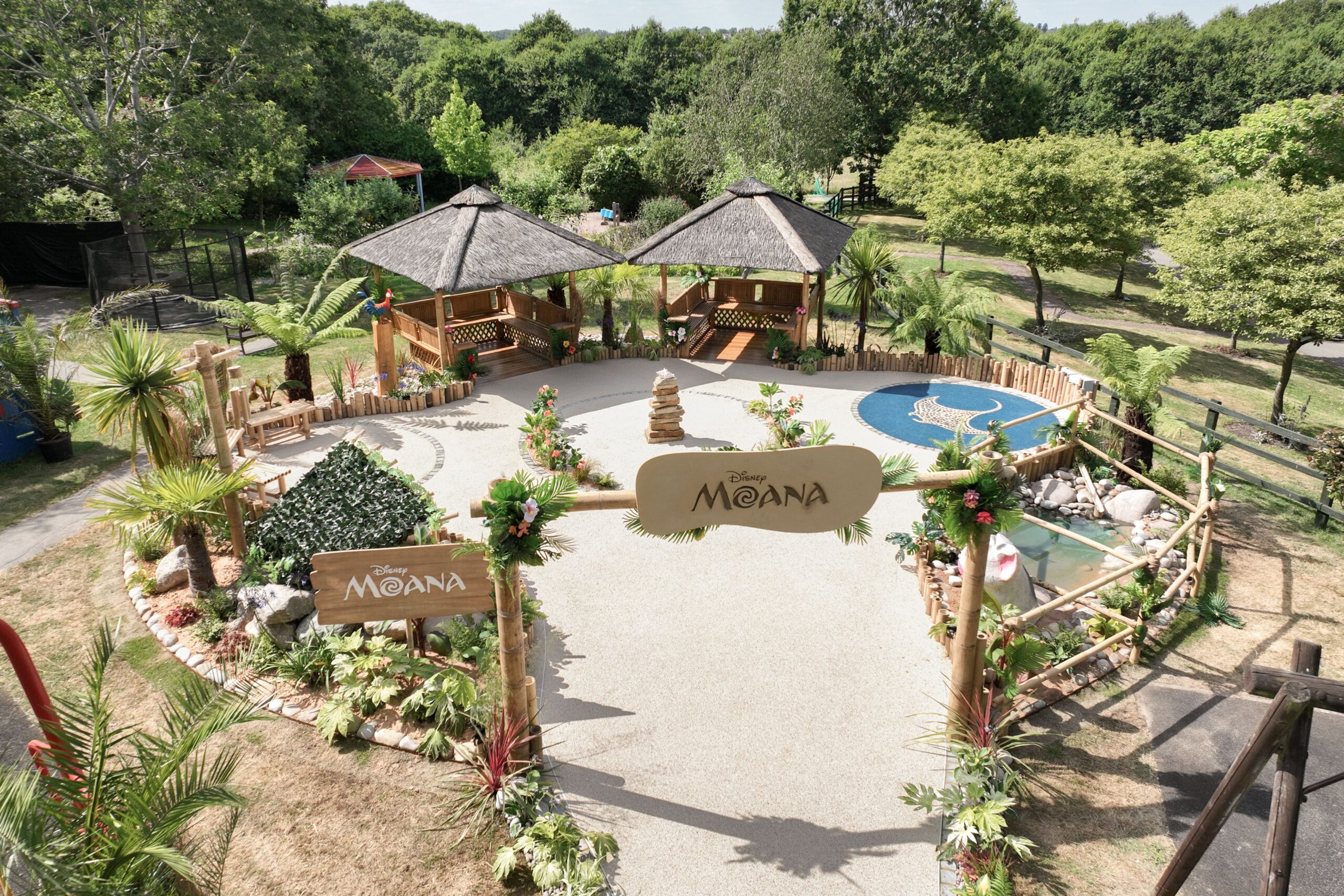
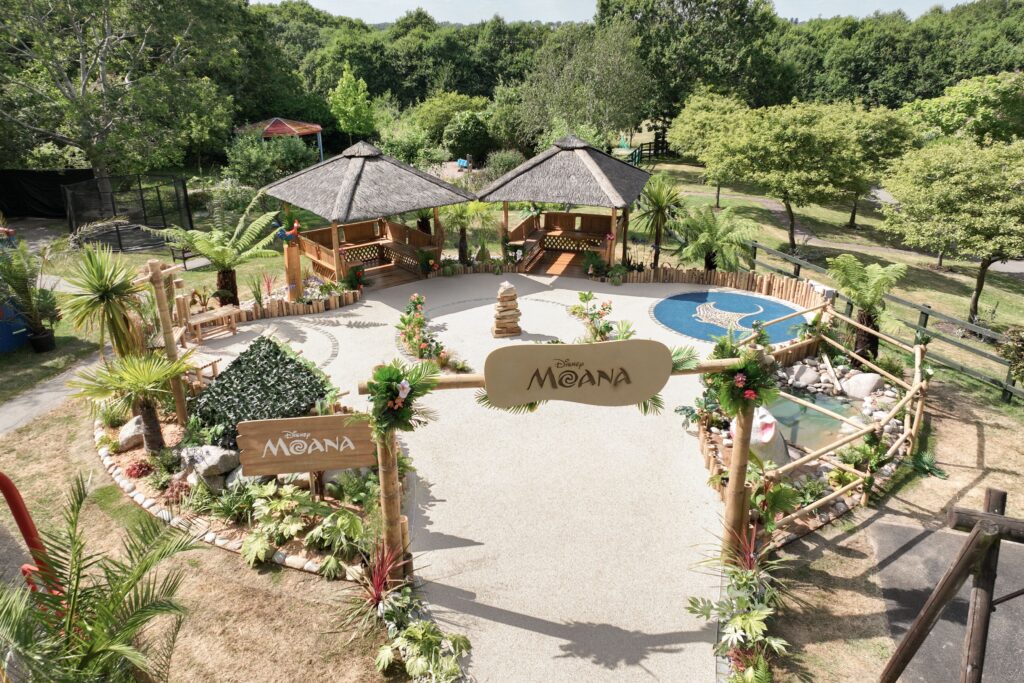
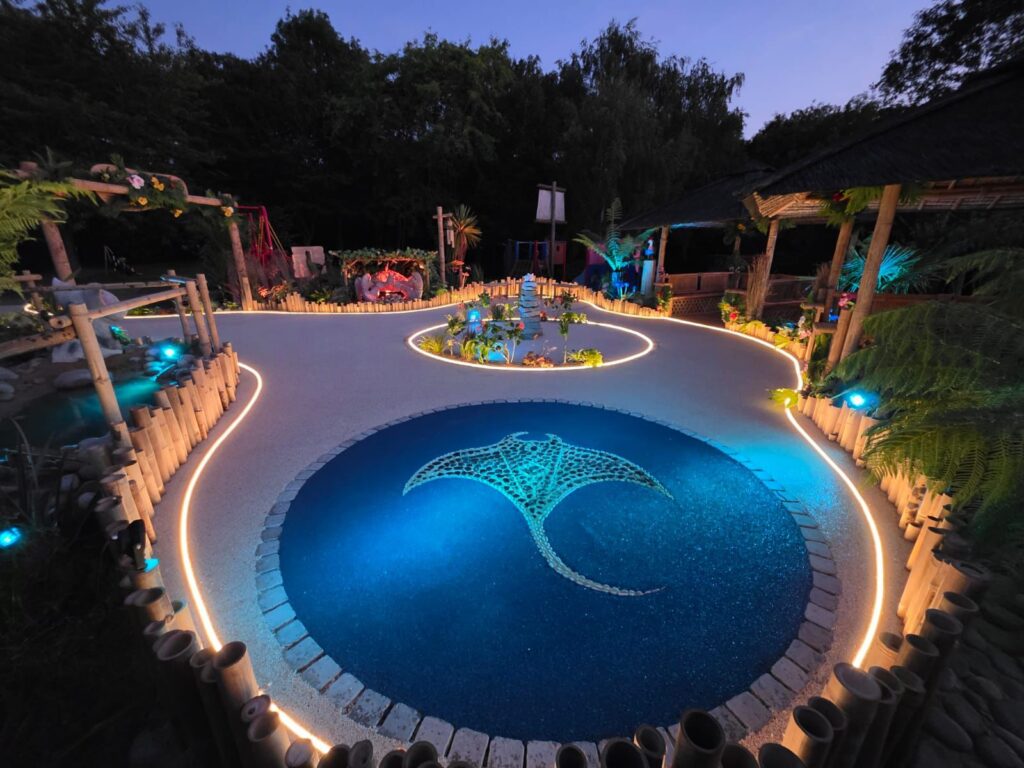
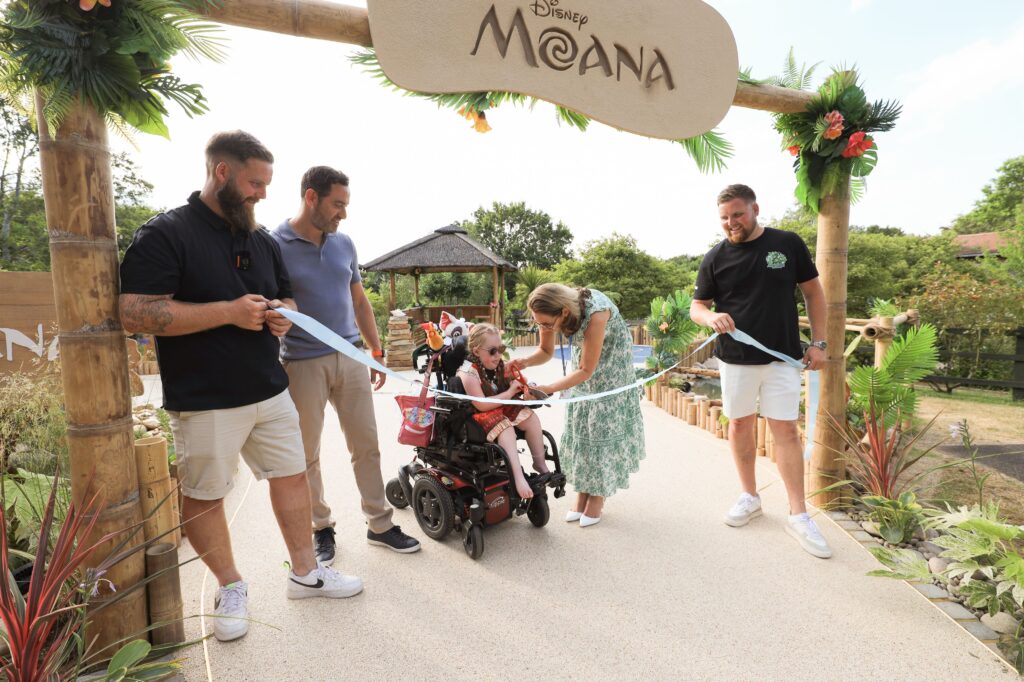
We’re delighted to have played a part in bringing a truly special project to life at Little Havens, Essex’s only children’s hospice. The team recently unveiled a stunning new island-themed sensory garden inspired by Disney’s Moana, and Brice Aggregates was proud to supply aggregate materials that helped form the foundation of this incredible space.
A Garden Built for Wonder
Designed and built by the renowned Bristol-based landscaping duo The Green Genie Brothers, working in partnership with The Walt Disney Company UK & Ireland, the garden transports visitors to a Pacific island paradise. A bamboo entrance welcomes children into the space, where handcrafted fale-style structures, lush tropical planting, and a bespoke tree-stump carving of Heihei sit alongside natural stone features and a dynamic water feature.
Materials with Meaning
Every material choice in this garden was deliberate, right down to the shell and rock centrepiece that families are told represents community and togetherness. Knowing that the aggregates we supplied now form part of a space designed to bring comfort to children and families facing serious illness has been genuinely humbling for our team.
The garden was also built with accessibility at its core, ensuring children of all needs and abilities can explore and enjoy it, something we were glad to keep in mind throughout the supply and build process.
Supporting a Bigger Mission
This project is part of Disney’s ongoing partnership with Together for Short Lives, the national charity supporting children’s hospices across the UK, and forms part of Disney’s broader commitment to creating moments of comfort for children across EMEA by 2030.
Brice Aggregates was honoured to contribute the materials that helped make this vision possible, and we congratulate everyone at Little Havens, The Green Genie Brothers, and Disney on creating something so special for the children and families who will enjoy this garden for years to come.
If your project needs high-quality aggregate or concrete supply, whether for a commercial build or a cause close to your heart, get in touch with the Brice Aggregates Marketing team today.
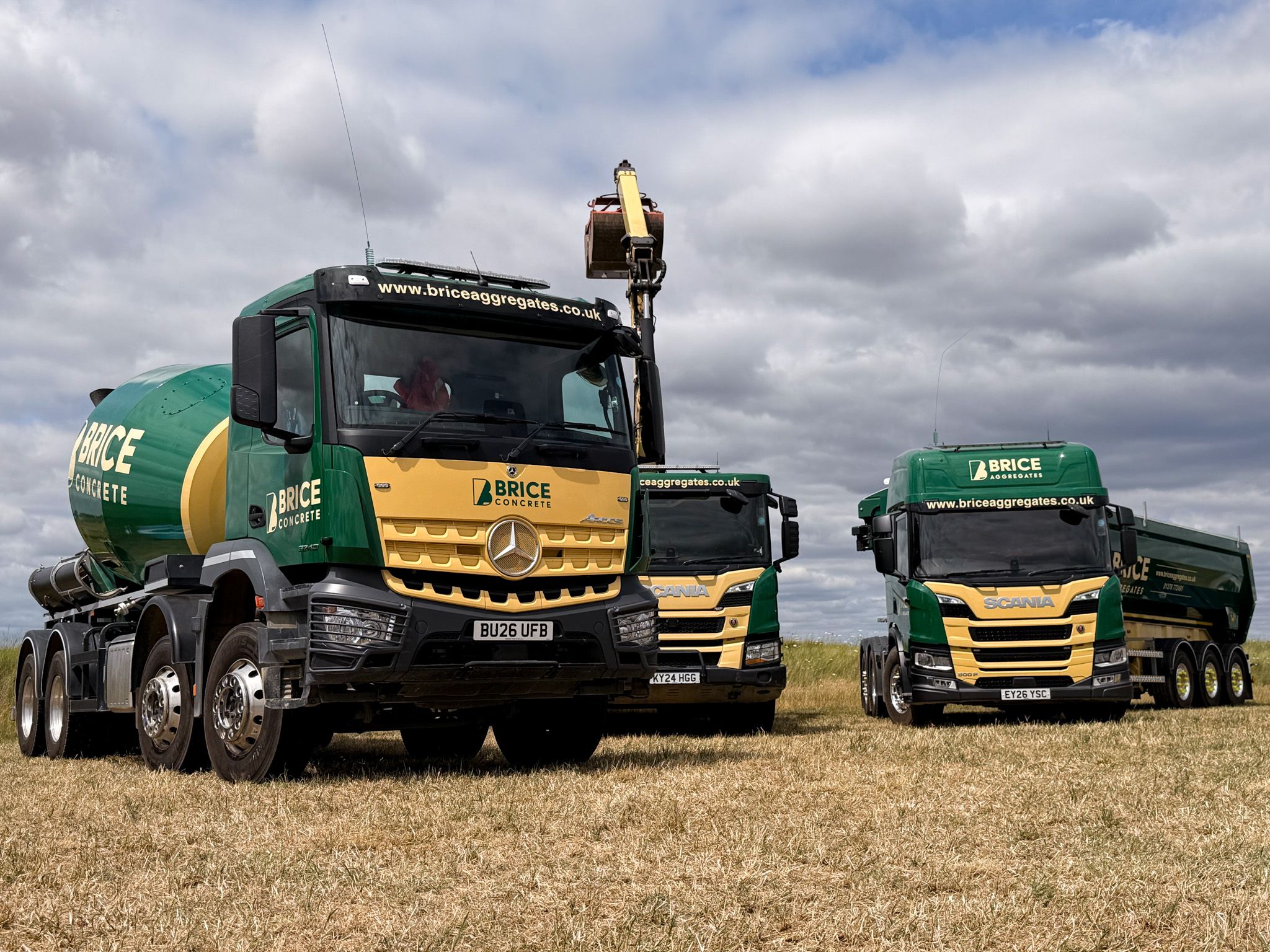
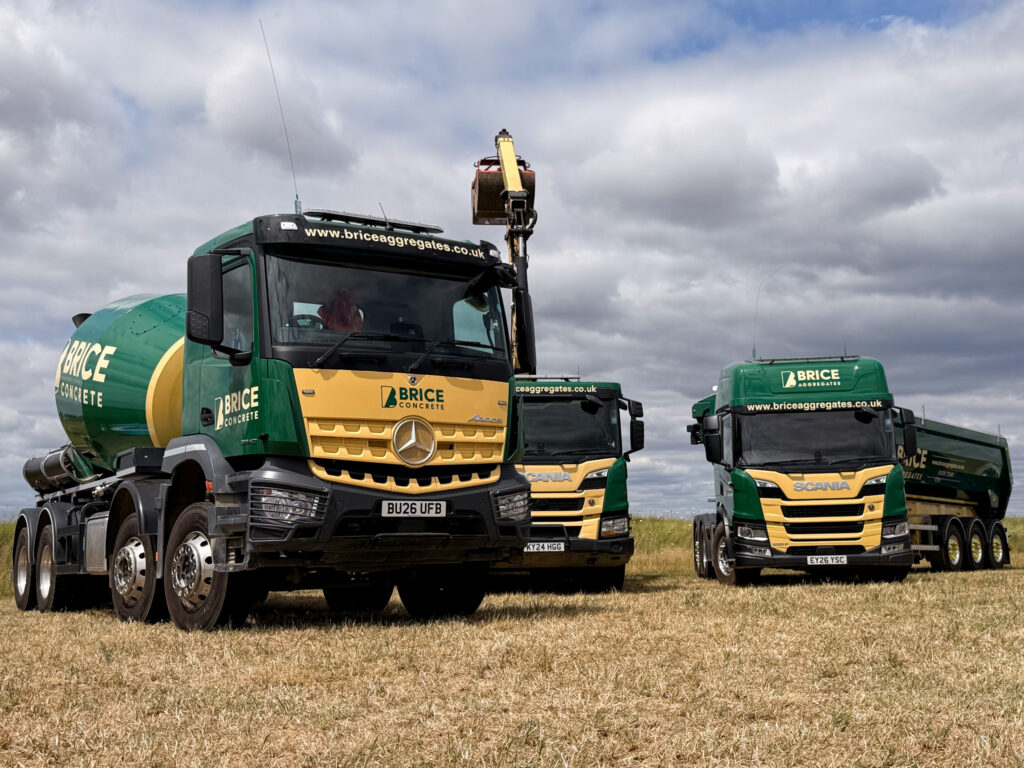
Brice Aggregates was delighted to be the main sponsor of the very first Gatehouse Truck Show on Mersea Island, helping to support a fantastic new event celebrating the trucking community.
The day was a huge success, with an impressive display of trucks, entertainment for all ages and a great atmosphere from start to finish. Our team was proud to be part of the occasion, showcasing a selection of our fleet and meeting fellow drivers, customers and visitors throughout the day.
A huge thank you goes to the event organisers, everyone who attended, and our own Brice drivers who represented the company so brilliantly. We are proud to have supported the inaugural Gatehouse Truck Show and look forward to seeing it grow in the years ahead.
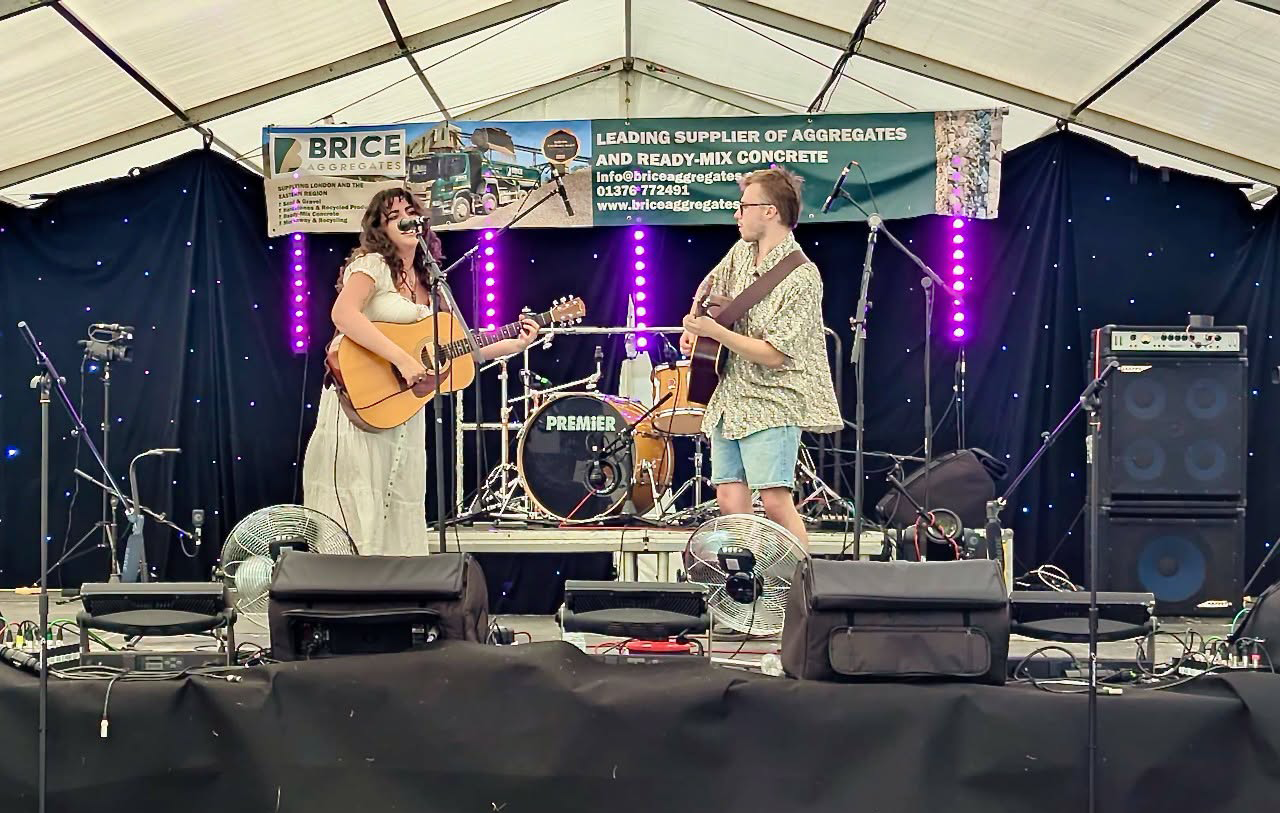
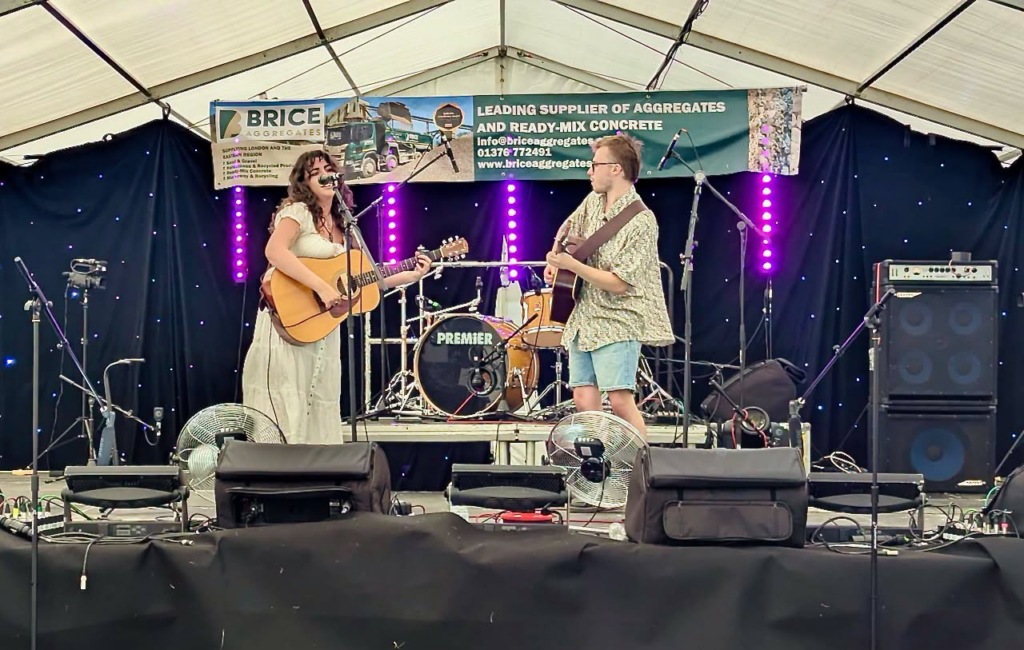
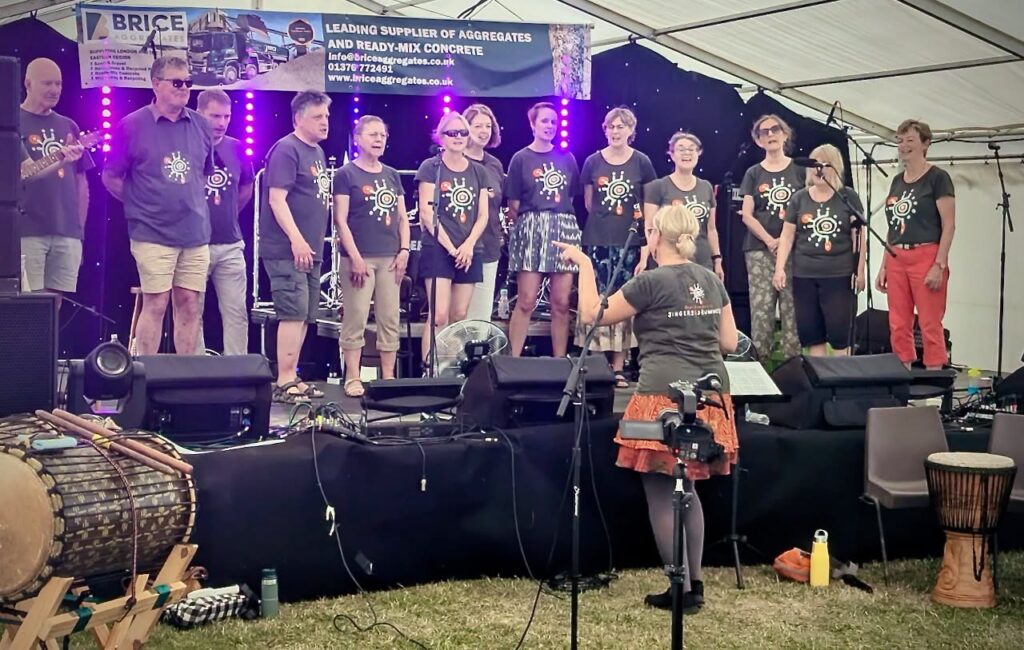
Brice Aggregates was proud to be a main sponsor of NFEST 26, supporting another fantastic event that brought together businesses, families and the local community for a brilliant day of entertainment.
Our team enjoyed meeting visitors throughout the event, showcasing a selection of our fleet and catching up with customers, partners and fellow exhibitors. It was great to see so many people come together to support such a well-attended community event.
A big thank you to everyone who stopped by to say hello, and to the organisers and volunteers who worked so hard to make NFEST 26 such a success. We were delighted to play a part in another memorable year and look forward to supporting the event again in the future.
Ordering ready mixed concrete can save time, reduce waste, and improve the quality of your construction project, but only if your site is properly prepared. A smooth delivery process ensures the concrete arrives on time, is poured efficiently, and performs exactly as expected. Here’s a practical guide to help you get ready.
Confirm Your Order Details Before delivery, double-check the following: Concrete grade and mix – Ensure it matches your project requirements. Quantity – Account for any overage to cover spillage or minor miscalculations. Delivery time – Confirm a specific slot to avoid delays or traffic issues. Access requirements – Let us know if your site has tight access, low bridges, or weight restrictions. Clear communication prevents misunderstandings and helps the supplier plan the correct truck type and pump equipment.
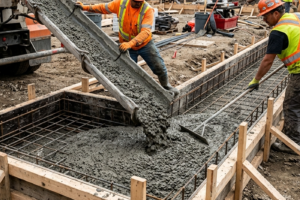
Prepare the Site A ready mixed concrete delivery goes smoothly when the site is properly set up. Consider the following: Level access roads – Ensure trucks can approach safely without risk of getting stuck. Stable hard-standing area – Provides a secure place for the truck to park and discharge concrete. Clear pouring area – Remove debris, loose soil, or obstacles from the area where concrete will be placed. Formwork and reinforcement – Make sure forms are sturdy and reinforcement is correctly positioned. Proper preparation helps avoid delays, safety hazards, and potential damage to your site or the truck.
Plan for Efficient Placement Ready mixed concrete begins to set quickly, so timing is critical: Have labour on site – Make sure enough personnel are ready to pour, spread, and finish the concrete. Use pumps or chutes if needed – For large areas or hard-to-reach spots, ensure equipment is ready. Sequence pours logically – For multiple sections, plan the order to maintain flow and avoid cold joints. Efficient placement reduces the risk of uneven finishes or weak points in the structure.
Consider Weather and Environmental Factors Weather can significantly impact concrete performance: Hot weather – Concrete can set too quickly; have curing materials or retarders ready. Cold weather – Consider admixtures or insulation to prevent freezing. Rain – Protect freshly poured concrete to avoid excess water and surface defects. Your supplier can advise on the best precautions based on current conditions.
Safety First Concrete deliveries involve heavy vehicles and potentially hazardous materials. Ensure: Traffic management – Direct trucks safely into position. Protective equipment – Workers should wear gloves, boots, and eye protection. Safe handling procedures – Especially when using pumps or mechanical placement equipment. Safety planning reduces the risk of accidents and keeps your site compliant with regulations.
Conclusion Proper preparation is the key to a successful ready mixed concrete delivery. From confirming order details to planning for placement and weather, taking these steps ensures your project runs smoothly and efficiently.
At Brice Aggregates, we provide not only high-quality ready mixed concrete but also expert guidance to help you plan your delivery for maximum efficiency and performance. Partner with us to make your next pour seamless.
1Product
2Your Details
3Confirmed
Review Your Selection
Confirm the product and enter the quantity you need a quote for.
Your Contact Details
Quote Request Sent!
Thank you! We'll review your request and respond within 24 hours.