

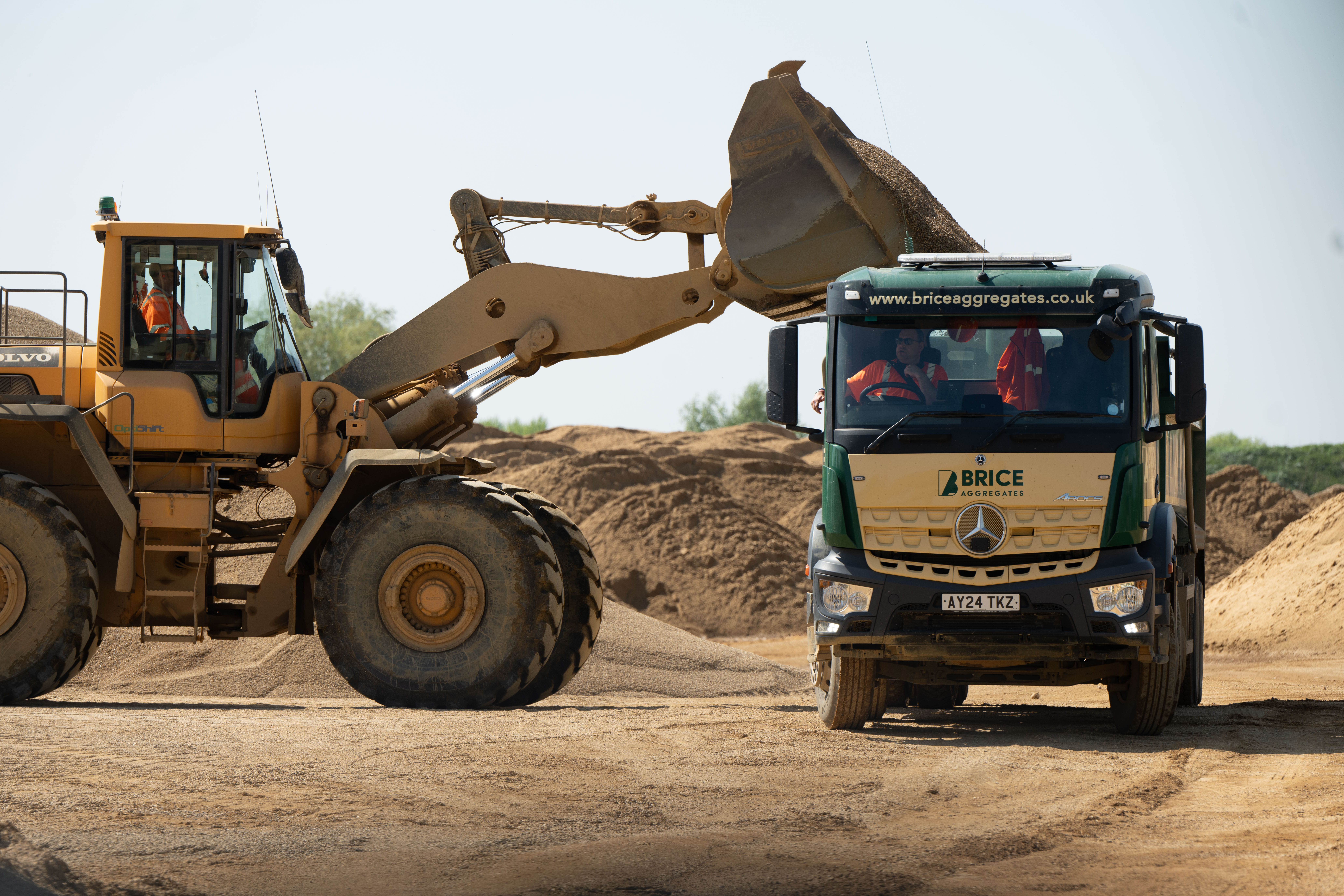
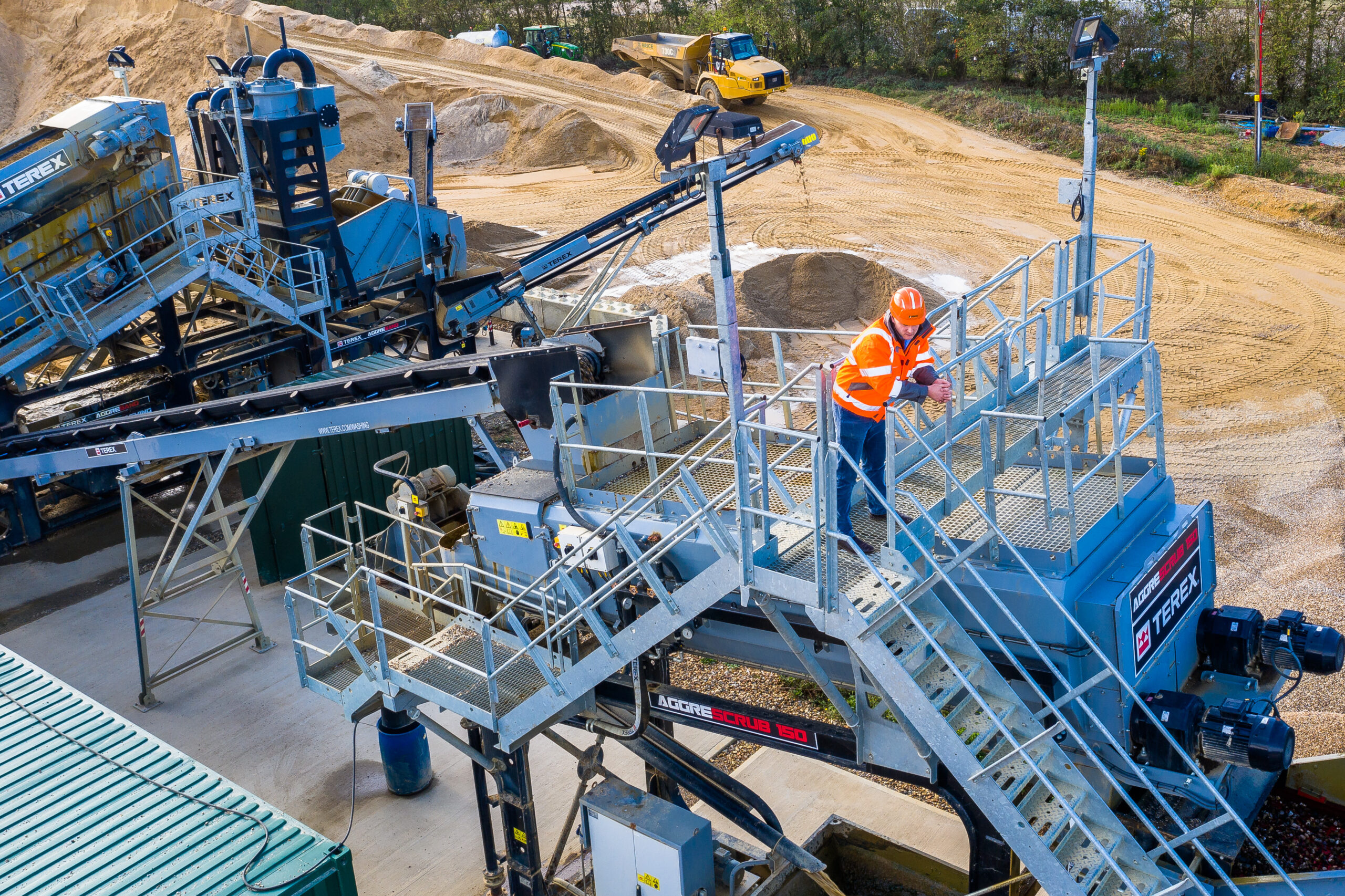


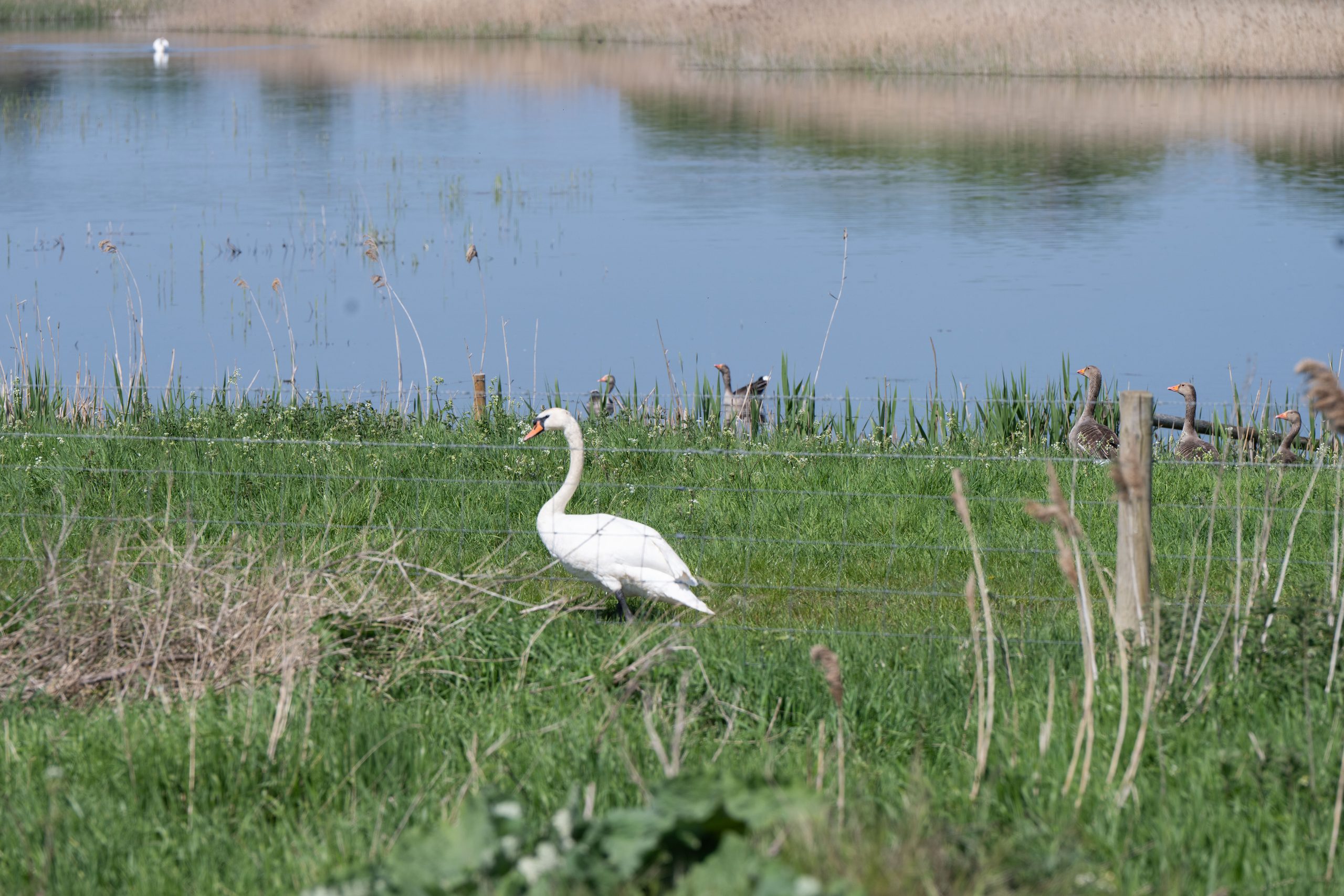

When people think about quarrying, the first thing that often comes to mind is extraction: sand, gravel and other materials being removed from the ground to support construction and infrastructure projects.
But quarrying is not simply about what happens while a site is being worked. Modern quarrying involves careful planning from the outset, including how land will be managed, restored and ultimately used once extraction has finished.
At Brice Aggregates, we see restoration as an important part of the quarrying process. With the right approach, former extraction sites can become valuable habitats, wetlands, agricultural land and spaces for nature to thrive for generations to come.
Planning for restoration from the start
Restoration should not be something considered only when extraction comes to an end. Quarry restoration is planned alongside the development and operation of a site, allowing land, materials and surrounding habitats to be managed with its eventual after-use in mind.
This can involve carefully shaping landforms, retaining suitable soils and materials, creating water features and establishing planting schemes that support the intended future use of the site.
By planning ahead, quarry operators can help ensure that restoration is integrated into the life of the quarry rather than treated as an afterthought.
Creating new habitats
One of the most significant environmental opportunities associated with quarry restoration is habitat creation.
Quarrying can temporarily change the landscape, but the restored site can provide opportunities for habitats that may be limited elsewhere in the surrounding area.
Former mineral workings can be transformed into wetlands, grasslands, reedbeds, woodland and other habitats. These areas can provide food, shelter and breeding grounds for a wide range of species.
Wetland restoration is particularly valuable. Ponds, lakes, reedbeds and shallow water areas can support birds, amphibians, insects and aquatic species, while also creating important feeding and nesting areas.

Supporting biodiversity
Restored quarries can become important locations for biodiversity because they can provide a mixture of habitats within a relatively small area.
Different depths of water, vegetation, open ground and planted areas can create a varied landscape that supports different species throughout the year.
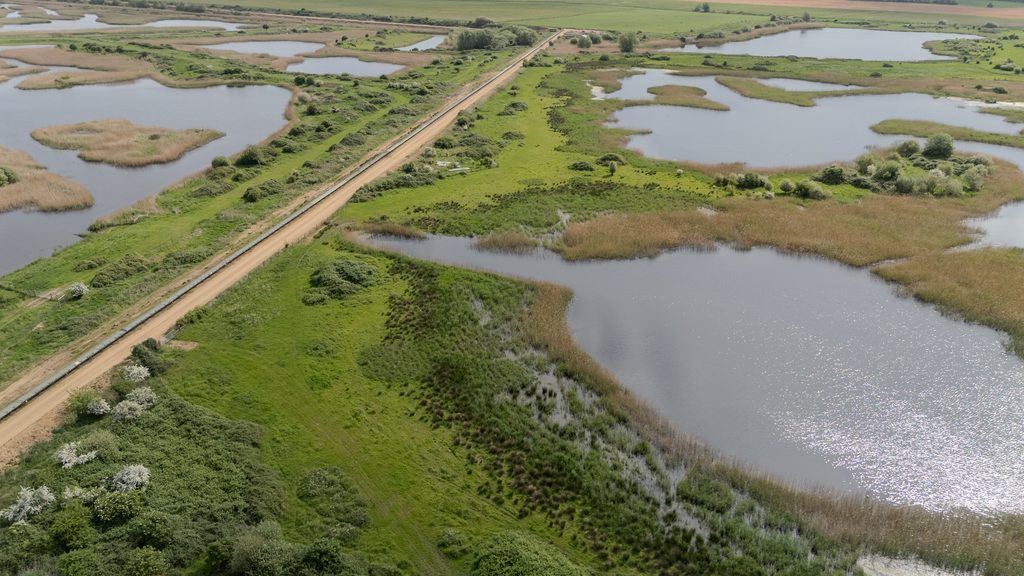
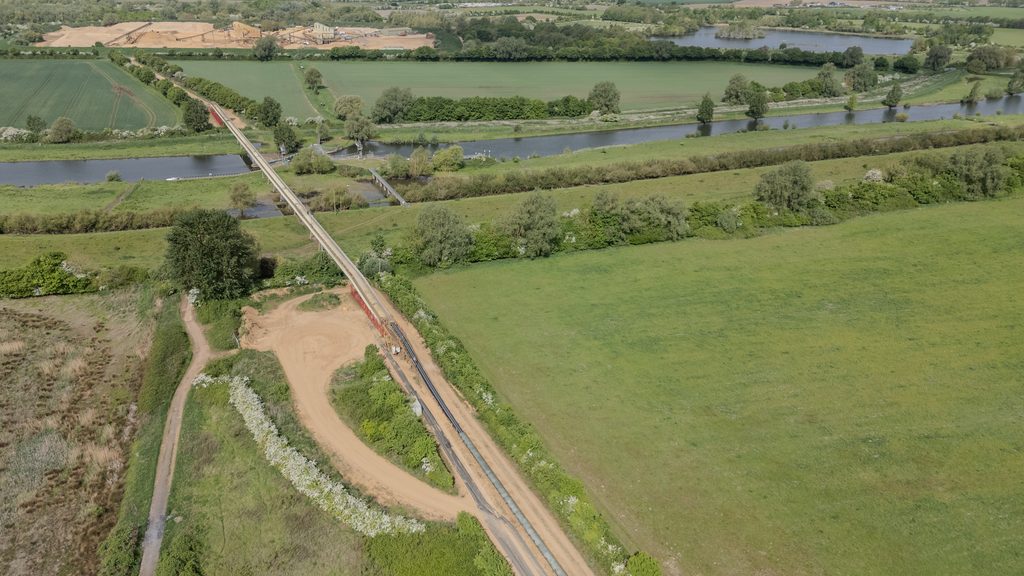
At Ouse Fen in Cambridgeshire, for example, mineral extraction is forming part of a much larger programme of landscape and habitat creation. The project will ultimately cover around 700 hectares, with extensive areas of wetland and reedbed habitat planned.
The site demonstrates how land used for mineral extraction can form part of a long-term vision for nature conservation and habitat creation.
Water and wetland restoration
Water management is another important part of quarry restoration.
Where extraction takes place below the water table, former quarry workings can be restored as lakes and wetland habitats. With careful design, these areas can provide valuable environments for wildlife while contributing to the wider landscape.
Wetlands can also provide wider environmental benefits, including opportunities for water storage and natural processes that help support healthy ecosystems.
At Ouse Fen, the development of extensive wetland habitat is helping to create a landscape designed specifically to support species associated with reedbeds and wetland environments.
A home for important species
Restored quarry landscapes can support species that rely on particular habitats that are not always readily available elsewhere.
Ouse Fen is already recognised for species including bittern, marsh harrier and bearded tit. The creation and expansion of suitable reedbed habitat is helping to provide the conditions these species need.
The project is also part of a wider effort to create a significant wetland landscape in the Cambridgeshire Fens.
This is a good example of why restoration plans need to look beyond the immediate quarry boundary. The most valuable environmental outcomes can come from connecting habitats and creating larger, functioning landscapes rather than isolated areas of planting.
More than just planting trees
Quarry restoration is sometimes associated with planting trees, but successful restoration can involve much more than this.
The right after-use depends on the location, geology, surrounding landscape and ecological opportunities of each site.
For one quarry, the most appropriate restoration might involve agriculture. For another, it could be woodland, grassland, recreational space or wetland habitat.
There is no single restoration model that works everywhere. The objective is to create an appropriate long-term use for the land based on its individual characteristics.
Working with local partners
Long-term restoration can involve a range of organisations and specialists, from landowners and local authorities to environmental organisations and conservation groups.
At Ouse Fen, for example, the wider project involves collaboration between organisations including the RSPB, Cambridgeshire County Council and quarry operators.
Partnership working allows restoration plans to consider both the technical requirements of quarrying and the wider environmental objectives for the landscape.
Leaving a lasting legacy
The materials produced by quarries play an important role in the buildings, roads, homes and infrastructure that communities rely on. But the story of a quarry does not have to end when extraction finishes.
With careful planning and responsible land management, a former quarry can become something very different from the site it once was.
It could become a wetland supporting wildlife, a new agricultural landscape, an area of woodland or a space that provides benefits for both people and nature.
That is the long-term opportunity of quarry restoration: taking land that has played an important role in supplying essential materials and creating a new purpose for it for years to come.
At Brice Aggregates, responsible quarrying means looking beyond extraction and considering the wider future of the land. From the first stages of planning through to restoration, every quarry has the potential to leave a lasting legacy.